Winter Pet Care Tips for Commerce City Dog and Cat Owners
When February’s frosty mornings and snowy evenings settle over Commerce City, many pet owners start to worry about the comfort and safety of their furry friends. At Pets R Us Commerce City, our veterinary team understands how Colorado’s winter weather can create new challenges for dogs and cats, from icy sidewalks to dry indoor air and even hidden cold-weather hazards. If you’re unsure how best to protect your pet’s health during the coldest months, you’re not alone. This blog will walk you through the essentials of winter pet care, including identifying weather-related risks, understanding why pets may need extra support, and practical steps you can take to keep your companion animals comfortable and thriving all season long. Our clinic, conveniently located at 10290 Idalia St, Suite 1, Commerce City, CO 80022, is here to support you with comprehensive veterinary services as you navigate winter with your pet. We’ll also highlight when it’s important to schedule an appointment and how our veterinary professionals can help if winter brings unexpected health issues.
Recognizing Winter Risks for Dogs and Cats
Winter in Commerce City can bring more than just chilly air; it also introduces a range of conditions that can affect your pet’s health and wellbeing. Hypothermia and frostbite are among the most serious cold-weather threats, especially for pets that spend time outdoors. Symptoms of hypothermia include shivering, lethargy, and weakness. You might notice your dog or cat seeking warm places or showing reluctance to go outside for walks or bathroom breaks. Frostbite can be harder to spot, but warning signs include pale, cold skin on extremities like ears, paws, or tails, which may become red, swollen, or painful as they warm up.
Icy sidewalks and driveways also pose slip and fall risks, not only for people but for pets as well. Salt and de-icing chemicals used on roads and walkways can irritate your pet’s paws and, if licked off, may lead to gastrointestinal upset. Additionally, cats that venture outdoors may seek warmth by hiding under cars or near engines, which can be dangerous.
Indoor hazards can emerge during winter, too. Dry air from heating systems can lead to itchy skin or dull coats, while a lack of exercise can contribute to weight gain and behavioral issues. Watch for changes in your pet’s skin or fur, such as increased scratching, dandruff, or matting. Dogs and cats may also become less active and show signs of boredom or restlessness.
Why Winter Affects Pet Health
Commerce City’s winter temperatures, which can dip well below freezing, are challenging for pets because their ability to regulate body heat differs from humans. Smaller breeds, older pets, and those with thin coats are especially vulnerable because they lose heat more quickly. Puppies, kittens, and senior animals may have compromised immune systems, making them more susceptible to cold-related illnesses.
Indoor changes also impact health. Heating systems reduce humidity, which can dry out your pet’s skin and nasal passages. Less daylight and fewer opportunities to play outside may reduce physical activity, leading to weight gain or muscle loss. For pets with arthritis or mobility issues, the cold can stiffen joints and make movement uncomfortable.
Salt and chemical de-icers used on sidewalks and driveways are another concern. These substances can cause chemical burns on paws or digestive upset if licked. Even pets that spend most of their time inside may be exposed if you track these substances into your home.
Finally, holiday gatherings and seasonal foods can increase the risk of accidental ingestion of toxic foods like chocolate, xylitol, or holiday leftovers, all of which can be harmful to dogs and cats.
How Our Veterinary Team Manages Winter Pet Health
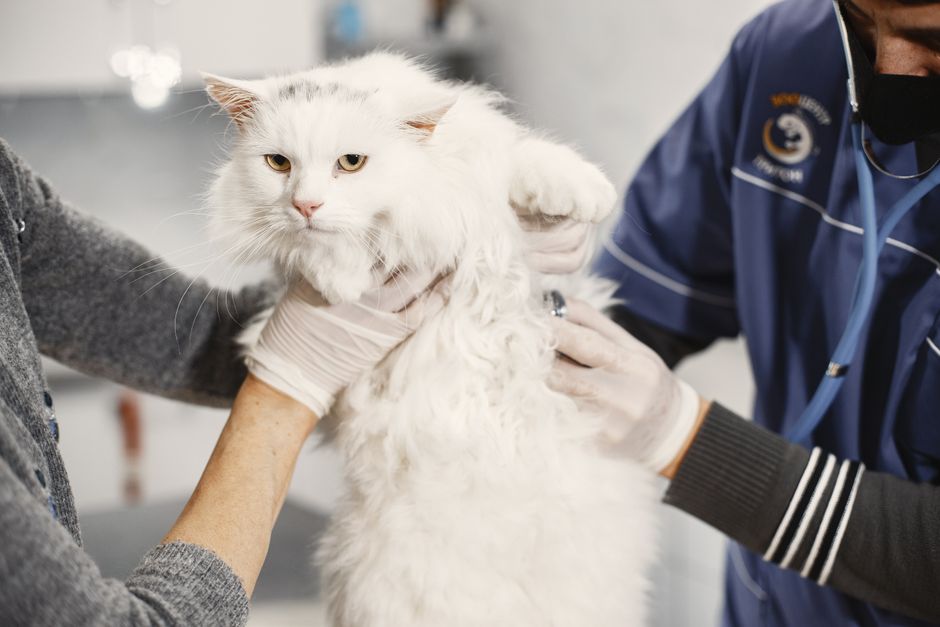
At Pets R Us Commerce City, our veterinary professionals offer a comprehensive approach to winter pet care, designed to address both common and complex seasonal issues. We recommend starting with a wellness examination, which helps us identify any underlying health concerns that might be worsened by cold weather. Our wellness exam services include a thorough check of your pet’s coat, skin, and paw pads, as well as an assessment of weight, joint health, and dental condition.
If your pet develops skin irritation or dry patches, our team can provide targeted skincare recommendations and discuss options for moisturizing shampoos or conditioners. For pets showing signs of arthritis or joint pain, we may suggest nutritional supplements, prescription medications, or physical therapy to relieve discomfort during colder months.
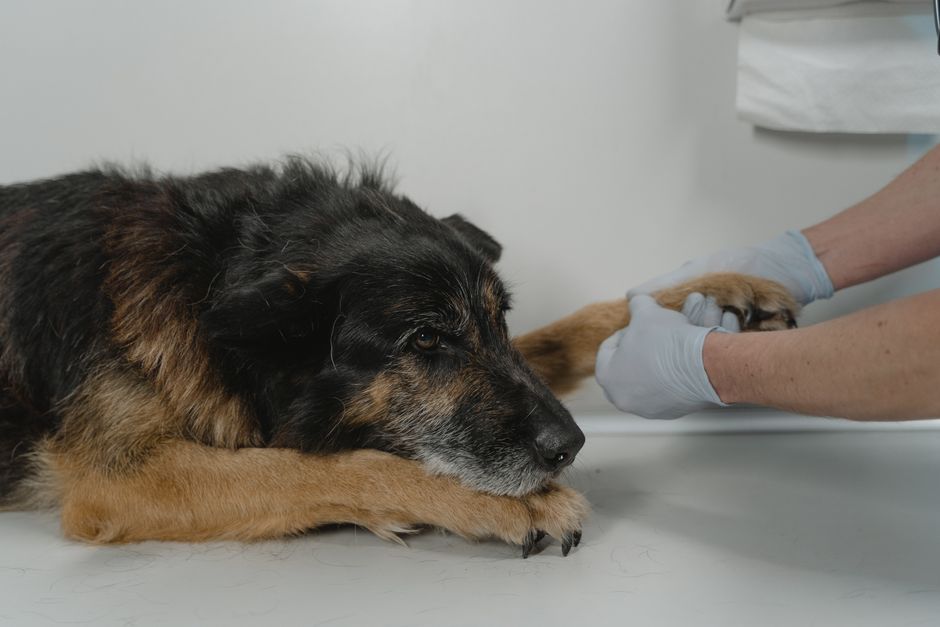
Paw care is another priority during winter. Our veterinary team can show you how to safely clean your pet’s paws after walks and recommend protective booties or paw balms if your pet is frequently exposed to salt or ice. For those concerned about grooming during winter, our bath and brush services can help maintain coat health and reduce matting, which is especially important for long-haired breeds.
Nutrition is also key when it comes to winter wellness. Some pets may benefit from dietary adjustments to maintain a healthy weight and support their immune systems. Our veterinarians are happy to discuss optimal pet nutrition plans tailored to your dog or cat’s needs.
Finally, for pets that require safe housing during vacations or holiday travel, our clinic provides supervised pet boarding services in a warm, secure environment.
Keeping Your Pet Comfortable at Home During Winter
Home care plays a vital role in protecting your pet’s health throughout winter. Always provide a warm, draft-free resting area for your pet, away from cold windows or doors. For dogs, consider a cozy bed with extra blankets; cats often appreciate soft bedding placed in sunny spots. If your pet spends time outdoors, limit exposure to short periods and always supervise them. After walks, wipe your dog’s paws with a damp cloth to remove salt, ice, or chemicals, paying close attention to any cracks or redness.
Grooming remains important in winter, as tangled or matted fur offers less insulation. Regular brushing helps distribute natural oils and keeps the coat in good condition. If you’re not comfortable grooming your pet at home, scheduling a professional bath and brush can be especially helpful. For pets with long fur between their toes, trimming can prevent ice balls from forming.
Physical activity should remain part of your pet’s routine, even when it’s cold outside. Indoor play sessions, puzzle toys, or short, frequent walks can help maintain muscle tone and prevent weight gain. Monitor your pet’s food intake, as decreased activity may mean they need fewer calories during the winter months. If you’re unsure about portion sizes, our veterinary team can provide nutrition guidance.
Hydration is just as important in winter as in summer. Make sure your pet always has access to fresh, unfrozen water, and wash bowls regularly to prevent bacterial growth.
When to Schedule a Veterinary Visit
Some winter symptoms require prompt attention from a veterinarian to prevent complications. If your pet is shivering uncontrollably, lethargic, or unwilling to eat or drink, these may be signs of hypothermia or another serious illness. Frostbite should be suspected if you notice pale, cold, or swollen skin on the ears, nose, tail, or paws. Persistent limping, excessive licking of paws, or wounds that do not heal properly also warrant a veterinary visit.
Other reasons to bring your pet in include dry, flaky skin that worsens despite home care, unexplained weight gain or loss, ongoing coughing or sneezing, and behavioral changes such as increased anxiety or aggression. Cats that hide excessively or dogs that seem restless at night could be experiencing discomfort related to the colder environment.
Preventive care is especially important for young, elderly, or chronically ill pets during the winter months. Scheduling a wellness examination can catch small problems before they become major concerns. Our team encourages you to reach out if you have any doubts about your pet’s health or need advice about keeping them safe and comfortable.
If your pet experiences a sudden injury, ingests something potentially toxic, or shows signs of an emergency, contact our clinic right away for guidance. Timely intervention can make all the difference in your pet’s recovery.
Keeping Pets in Commerce City and Surrounding Communities Safe All Winter
Winter in Commerce City brings its own set of challenges for pet families, but with the right knowledge and proactive care, you can help your dog or cat enjoy the season safely. Watch for subtle changes in your pet’s behavior or appearance, and don’t hesitate to ask our veterinary professionals for advice or support. Whether you need help with grooming, nutrition, or a regular wellness examination, our team at Pets R Us Commerce City is here for you and your furry companions.
If you’re searching for a "vet near me" who understands the unique needs of pets during the Colorado winter, look no further than our full-service animal hospital. We invite you to schedule an appointment at Pets R Us Commerce City or give us a call at (970) 406-4580. Our veterinary team is committed to providing compassionate, transparent care that helps your pets stay healthy, comfortable, and happy all winter long. For additional help with grooming, nutrition, or boarding, explore our bath and brush services or pet boarding services, and visit our website at commercecityvet.com for more resources and local pet care tips.
This article is intended for educational purposes only and should not replace professional veterinary advice. If you have concerns about your pet’s health this winter, please contact our clinic to schedule an examination.