Why Is My Pet Coughing? Causes and When to See the Vet
If you’ve ever heard your dog or cat cough, you know how quickly concern can set in. Coughing can be startling for both pets and their owners, especially when it comes out of the blue or lasts longer than expected. At Pets R Us Commerce City, located at 10290 Idalia St, Suite 1, Commerce City, CO 80022, our veterinary professionals understand how worrisome it is to watch your pet struggle with this symptom. Whether you’re noticing a mild, occasional cough or something more persistent, understanding the potential pet coughing causes is crucial for every pet owner in Commerce City and surrounding communities.
In this article, we’ll explore the common reasons behind coughing in cats and dogs, highlight warning signs that should prompt a veterinary visit, and explain how prompt care from a trusted local veterinarian can make all the difference. You’ll also learn about steps you can take at home, when to reach out for help, and how our team at Pets R Us is committed to comprehensive, compassionate care. If you’re searching for answers about pet coughing causes in Commerce City, or wondering if you should schedule an appointment with a "vet near me," you’re in the right place.
Recognizing Coughing in Cats and Dogs: What to Watch For
It’s easy to confuse a cough with other sounds your pet might make, such as sneezing, gagging, or reverse sneezing (which is especially common in certain dog breeds). Recognizing true coughing and understanding its patterns will help you and your veterinary team work together for an accurate diagnosis.
Key signs that your pet is coughing include sudden, forceful expirations of air that may be dry or produce mucus; sounds that mimic gagging, wheezing, or hacking; and episodes that occur during excitement, exercise, or rest. In some cases, coughing is accompanied by retching, swallowing motions, or even small amounts of foamy material. For dogs, a classic “honking” cough is often described, while cats might have a more subtle, dry cough or repeated hacking motions.
Owners should also pay attention to the frequency and duration of the cough. Occasional, short-lived episodes might not signal an emergency, but persistent coughing, coughing fits that last several minutes, or any cough that affects your pet’s ability to eat, sleep, or breathe comfortably should be evaluated promptly. Other concerning symptoms can develop alongside coughing, such as lethargy, loss of appetite, fever, nasal discharge, or labored breathing. If you notice any of these signs in addition to coughing, it’s important to schedule an appointment for a veterinary evaluation right away.
Understanding Pet Coughing Causes: Why Is Your Pet Coughing?
Coughing in cats and dogs can be triggered by a wide range of health conditions, ranging from mild irritations to serious illnesses. The causes of coughing often depend on species, age, lifestyle, and individual health history, but some underlying issues are more common in certain pets or environments.
Respiratory infections are a frequent cause, especially in social animals who interact with other pets at parks, boarding facilities, or daycare. Kennel cough (canine infectious tracheobronchitis) is well-known among dogs and spreads easily in group settings; symptoms include a harsh, dry cough and sometimes mild fever or nasal discharge. In cats, upper respiratory infections can cause coughing, sneezing, and congestion, particularly in young or unvaccinated cats.
Heart disease is another important cause, especially in older pets. Conditions such as congestive heart failure can lead to a buildup of fluid in the lungs, causing a persistent cough that’s often worse at night or after exercise. Allergies and irritants in the environment, such as dust, smoke, pollen, or even scented cleaning products, may also trigger bouts of coughing in both cats and dogs.
Other pet coughing causes include airway inflammation (bronchitis), collapsing trachea (more common in small breed dogs), parasites like heartworms or lungworms, foreign objects stuck in the throat, and even certain types of cancer. In our region, seasonal changes can exacerbate allergies or bring about dry, dusty conditions that irritate sensitive airways. Occasionally, dental disease can also lead to coughing due to bacteria spreading from infected gums to the respiratory tract.
Because the range of possible causes is broad, it’s always safest to let your veterinarian determine the specific reason behind your pet’s cough. Each cause requires a different approach, and what works for one pet may not be appropriate for another.
How Veterinarians Diagnose and Treat Coughing in Pets
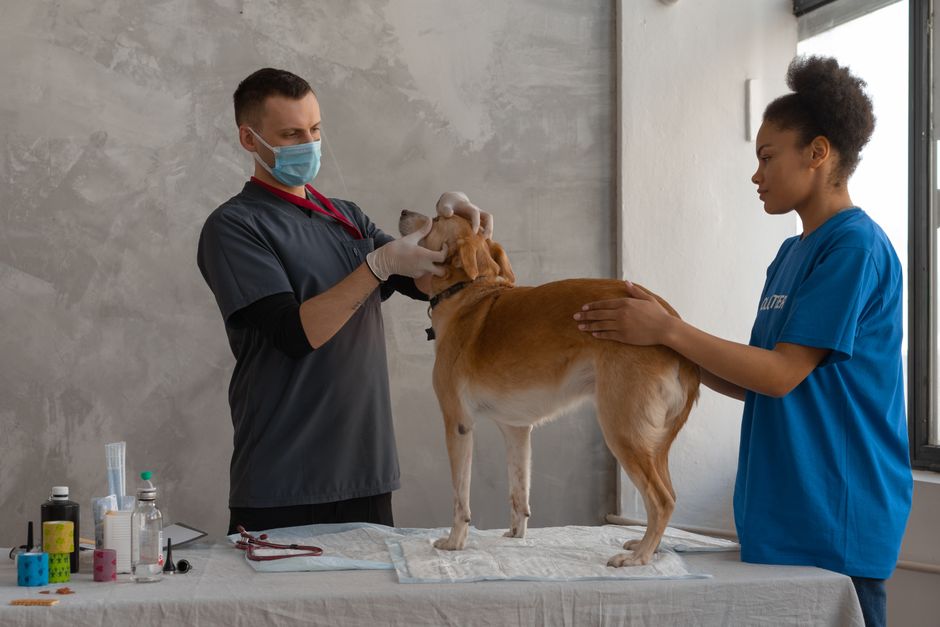
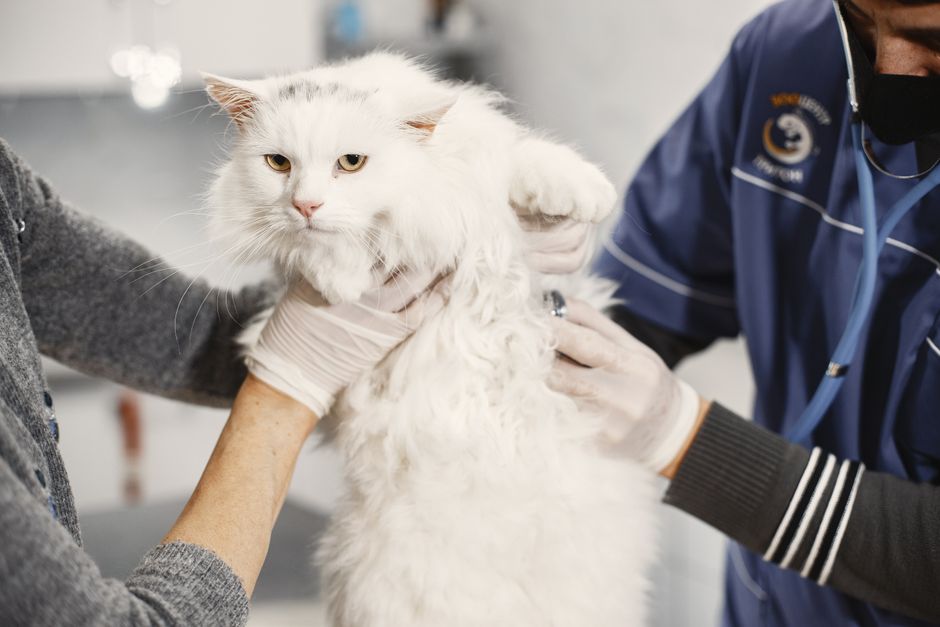
When you bring your pet to Pets R Us Commerce City for a coughing concern, our veterinarians will begin with a thorough health history and physical examination. We’ll ask about the nature of the cough, how long it’s been occurring, and whether your pet has been exposed to other animals or new environments. Our diagnostic approach may involve listening to your pet’s heart and lungs, checking for fever or nasal discharge, and carefully examining the throat and mouth for signs of irritation or foreign bodies.
Depending on your pet’s symptoms, diagnostic tests such as chest x-rays, bloodwork, heartworm testing, or even advanced imaging like ultrasound may be recommended. These tests help us pinpoint the exact cause and rule out serious conditions like heart disease, pneumonia, or tumors.
Treatment options depend on the underlying cause. For infectious conditions such as kennel cough or feline upper respiratory infection, supportive care, rest, and sometimes medication are prescribed. If allergies or environmental irritants are triggering the cough, our veterinary team may suggest changes in your home environment or prescribe medications to control inflammation. Heart disease and parasites require specific medical management, which may include heart medications or parasite prevention.
In more severe cases—such as if your pet is struggling to breathe, has blue-tinged gums, or collapses—immediate emergency care is necessary. For those acute situations, our clinic is equipped to provide urgent and emergency care for pets in sudden illness and after-hours emergencies. Our goal is always to provide personalized, effective treatment so that your pet can return to comfort and health as quickly as possible.
Preventing Coughing in Pets: Home Care and Proactive Steps
While not all causes of coughing can be prevented, there are proactive steps you can take at home to reduce your pet’s risk. Keeping up with regular wellness exams and vaccinations is one of the most effective ways to protect your pet from infectious respiratory diseases. Ensuring your pet is current on heartworm and parasite prevention is also crucial, especially in regions like Commerce City where seasonal changes can influence parasite activity.
Minimizing exposure to environmental irritants is another important preventive measure. Using unscented cleaning products, keeping smoke or dust to a minimum, and running air purifiers during allergy season can all help reduce airway irritation. If your pet attends daycare, boarding, or grooming facilities, ask about their vaccination policies and cleaning protocols.
Good dental hygiene is sometimes overlooked, but regular dental cleanings and at-home dental care can minimize the risk of bacteria-related coughing. Finally, if your pet has a chronic condition such as allergies or heart disease, following your veterinarian’s recommendations for ongoing management will help keep symptoms under control.
When to See a Veterinarian for Your Pet’s Cough
Coughing that is occasional and short-lived may not always require an urgent visit, but certain warning signs mean it’s time to act quickly. Seek veterinary care if your pet’s cough is persistent (lasting more than a few days), severe, or accompanied by trouble breathing, lethargy, loss of appetite, blue-tinged gums, or collapse. Any cough in a very young, elderly, or chronically ill pet deserves prompt attention, as these pets are more vulnerable to complications.
For pet owners in Commerce City and surrounding communities, finding a "vet near me" who can assess coughing in cats and dogs quickly is important for your pet’s wellbeing. At Pets R Us Commerce City, our veterinary team is equipped to handle everything from routine coughs to more complex cases, and we encourage you to reach out if you’re ever unsure about your pet’s symptoms. Remember, early intervention can prevent more serious health issues and lead to better outcomes.
If you ever find your pet in distress or experiencing a sudden, severe cough outside of regular hours, our clinic also provides urgent and emergency care for pets in sudden illness and after-hours emergencies. Never hesitate to contact us if you’re concerned about your pet’s breathing or overall health.
Your Local Partner in Pet Health: Compassionate Care When Your Pet Is Coughing
Every pet deserves prompt, compassionate care, especially when new health concerns arise. If you notice coughing in cats and dogs, don’t wait for symptoms to worsen. Our veterinary professionals at Pets R Us Commerce City are here to help with comprehensive diagnostic services, personalized treatment plans, and ongoing support for your furry family members.
If you’re searching for a "vet near me" who understands the unique pet health needs in Commerce City and offers quality veterinary services near me, look no further than our clinic at 10290 Idalia St, Suite 1, Commerce City, CO 80022. Schedule an appointment with our veterinary team today by calling (970) 406-4580. We’re committed to helping your pet breathe easier and live healthier, with pet coughing causes in Commerce City expertly diagnosed and treated by caring hands.
If you have questions about coughing in cats and dogs, or need to discuss urgent symptoms, please don’t hesitate to contact us or visit our website for more information. Your pet’s health is our top priority, and we’re honored to be your trusted partner for every stage of their life.
Medical Disclaimer: The information in this article is intended for educational purposes only and does not replace professional veterinary consultation. Always seek advice from your veterinarian if you have concerns about your pet’s health, and never delay care in an emergency.