Making Informed Decisions About Reduced Appetite in Older Dogs
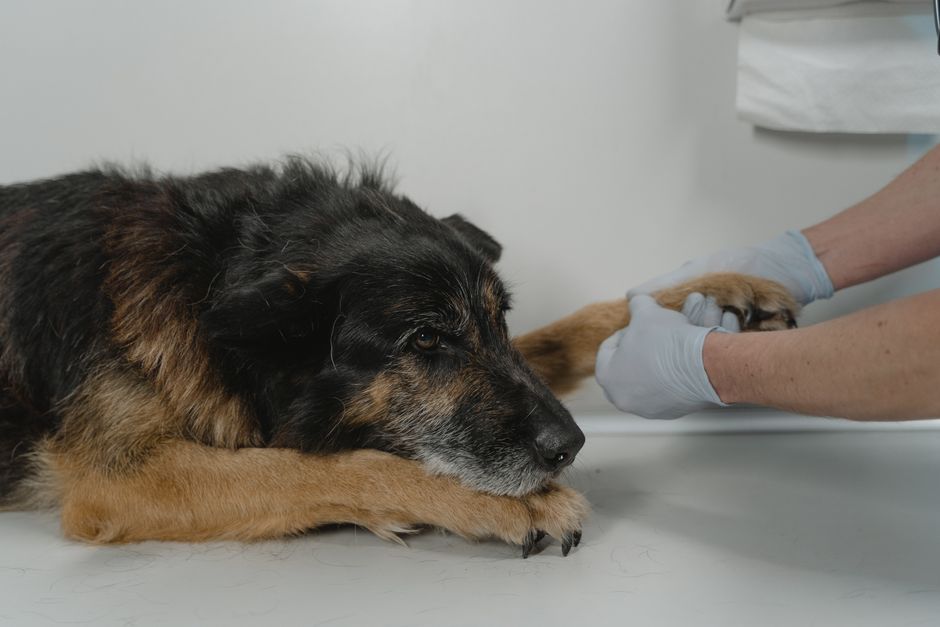
When your senior dog suddenly turns away from their food bowl, it is natural to feel concerned and wonder what steps to take next. Many pet owners in Commerce City and surrounding communities ask themselves, "How can I make an informed decision about reduced appetite in an older dog?" Addressing a change in eating habits is an important part of caring for your aging companion, especially as September brings cooler weather and new routines. At Pets R Us Commerce City, our team of veterinarians understands how changes in appetite can signal a range of health issues, from minor discomfort to more serious medical concerns. In this guide, we will help you recognize key signs of trouble, understand potential causes, and provide practical advice on what to do next. You will learn when home care is appropriate, when to seek veterinary help, and how to keep your senior dog as healthy and comfortable as possible through their golden years. If you are already worried or want a professional opinion, you can schedule an appointment at the Commerce City veterinary hospital for evaluation of an older dog's reduced appetite for prompt support.
Recognizing When Reduced Appetite Is a Problem
It is normal for older dogs to experience some changes in appetite as they age, but distinguishing between a minor fluctuation and a sign of illness can be challenging. Key symptoms to watch for include a sudden refusal to eat, eating significantly less than usual for more than a day or two, or showing disinterest in treats and favorite foods. You might also notice your dog acting more lethargic, losing weight, or drinking less water. Other warning signs include vomiting, diarrhea, increased breathing effort, coughing, or obvious discomfort when moving around the house or yard. If your dog’s reduced appetite is accompanied by these symptoms, or if you notice visible weight loss or a change in energy level, it is time to take their condition seriously. Keep track of how much your dog is eating and drinking, and make a note of any changes in behavior or bathroom habits. This information will help your veterinarian narrow down the possible causes and recommend the best next steps for your dog.
Common Causes of Reduced Appetite in Older Dogs
Understanding why your older dog’s appetite has changed is the first step in answering the question, "How can I make an informed decision about reduced appetite in an older dog?" As dogs age, their bodies and metabolism change, making them more susceptible to a variety of health conditions. Dental disease is one of the most common culprits; sore gums, infected teeth, or even loose teeth can make eating painful. Chronic diseases such as kidney disease, liver problems, diabetes, and heart disease often present with reduced appetite as an early warning sign. Additionally, pain from arthritis or other mobility issues can discourage a dog from eating, especially if reaching the food bowl is uncomfortable. Sometimes, gastrointestinal problems such as nausea, constipation, or stomach upset may be to blame. In some cases, environmental changes, stress from a new routine, or the introduction of a new pet or family member can also lead to a temporary loss of interest in food. By considering both medical and lifestyle factors, you can better understand what might be affecting your dog and discuss your observations with the veterinary team.
Dental Issues and Chronic Pain
Dental disease is extremely common in senior dogs, and even minor oral pain can lead to a reluctance to eat. Swollen gums, tartar buildup, or tooth root infections may all contribute to your dog’s discomfort. In addition, chronic pain from arthritis or old injuries can sap your dog’s appetite, especially if bending down to the food bowl is difficult. If you notice your dog favoring one side of their mouth, dropping kibble, or pawing at their face, dental discomfort may be a likely cause.
Medical Conditions and Age-Related Changes
Serious medical conditions such as kidney disease, liver problems, and diabetes often result in subtle early symptoms, with reduced appetite being one of the first noticeable changes. These diseases can make your dog feel nauseated, weak, or generally unwell, leading to decreased interest in food. Cancer is also more common in older dogs and can cause appetite loss through a variety of mechanisms. Sometimes, medications prescribed for chronic conditions can have side effects that suppress appetite, so always discuss any new symptoms with your veterinarian.
Environmental and Emotional Factors
Changes in your dog’s environment or routine can also impact their willingness to eat. Moving to a new home, changes in household members, or disruptions to daily schedules might cause temporary stress and appetite loss. Seasonal changes, such as the transition into cooler September weather in Commerce City, can also affect older dogs’ eating patterns. Ensuring a calm, consistent environment can help encourage your dog to eat more regularly.
Treatment and Management: What Pet Owners Can Expect
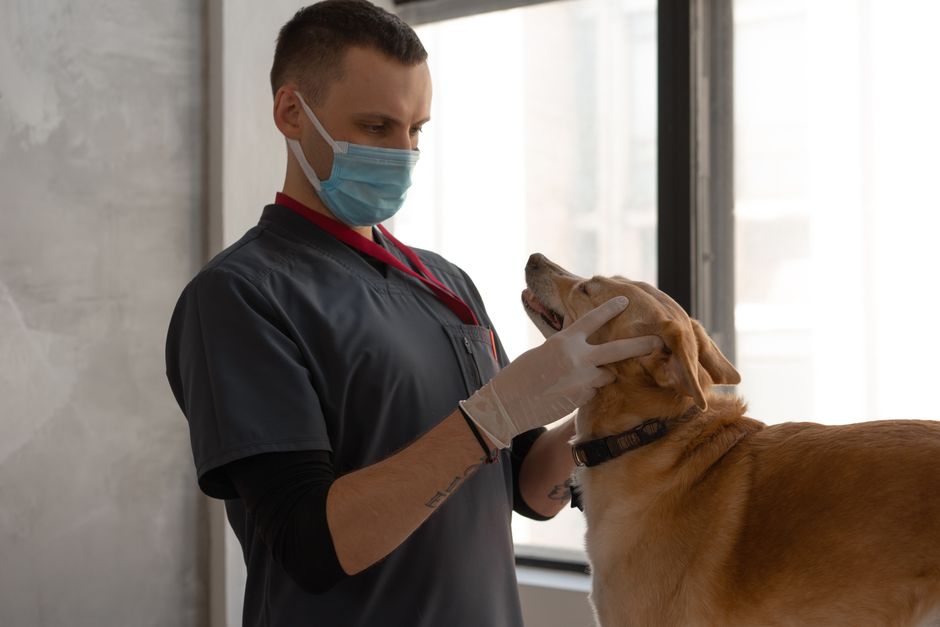
Once you have identified a reduced appetite in your older dog, the next step is to determine what actions are appropriate. The foundation of making an informed decision is to work closely with your veterinarian for a thorough evaluation. At Pets R Us Commerce City, our veterinary team will perform a comprehensive physical exam and may recommend diagnostic tests such as bloodwork, urinalysis, or imaging studies to pinpoint the underlying cause.
Treatment approaches will depend on the diagnosis. For dental disease, professional cleaning or tooth extractions may be recommended to restore comfort. If a chronic disease such as kidney or liver issues is identified, your veterinarian will discuss specialized diets, medications, and ongoing monitoring. Pain from arthritis or joint disease can often be managed with medications, supplements, or physical therapy tailored to your dog’s needs. If gastrointestinal problems are detected, supportive care such as anti-nausea medication or dietary adjustments may be appropriate.
In cases where emotional stress or environmental changes are the likely cause, simple adjustments to your dog’s routine, feeding area, or daily schedule may help restore their appetite. Sometimes, offering warmed or more palatable foods, hand-feeding, or sitting with your dog during mealtime can encourage eating.
Throughout treatment, our veterinary professionals will communicate clearly with you about your dog’s progress and help you make decisions that prioritize their comfort and quality of life. Regular follow-up appointments and open communication are key to ensuring the best outcome for your senior companion.
Home Care and Prevention: Supporting Your Senior Dog’s Appetite
There are several steps you can take at home to support your older dog’s appetite and overall well-being. Ensuring that fresh, clean water is always available can help, as dehydration can worsen appetite loss. Offering small, frequent meals instead of one or two large meals a day may make eating easier. Choosing a high-quality, age-appropriate diet recommended by your veterinarian is important for providing the right nutrients and supporting organ health.
If your dog has trouble chewing, consider softening dry food with water or switching to a canned diet. Warming your dog’s food slightly can make it more aromatic and appealing. Creating a quiet, comfortable feeding area away from household distractions can also help your dog feel more relaxed during mealtime.
It is also wise to monitor your dog’s weight and body condition regularly, adjusting their diet as needed under veterinary guidance. Routine wellness exams are essential for catching dental disease, organ dysfunction, or other health issues early. By staying proactive with preventive care, you can help your older dog maintain a healthy appetite and enjoy a good quality of life.
When to Seek Veterinary Care in Commerce City
One of the most important steps in answering, "How can I make an informed decision about reduced appetite in an older dog?" is knowing when to seek prompt veterinary attention. If your dog refuses all food for more than 24 hours, shows signs of pain, vomiting, diarrhea, significant weight loss, or has any difficulty breathing, it is time to contact your veterinarian immediately. Senior dogs are more vulnerable to rapid declines in health, so early intervention is crucial.
Even if your dog’s symptoms seem mild, a sudden or persistent change in appetite should always be evaluated by a veterinary professional. Chronic conditions can progress quickly in older pets, and timely treatment can make a significant difference in prognosis and comfort. Our veterinary team at Pets R Us Commerce City is committed to providing compassionate, thorough care for aging pets. If you are unsure, it is always better to err on the side of caution and schedule an appointment at the Commerce City veterinary hospital for evaluation of an older dog's reduced appetite.
Making Confident Choices for Your Senior Dog’s Health
Caring for an older dog often means navigating new health challenges, but you do not have to face them alone. By recognizing changes in your dog’s appetite, understanding potential causes, and working closely with your veterinary team, you can make well-informed decisions that support your pet’s happiness and comfort. If you are asking yourself, "How can I make an informed decision about reduced appetite in an older dog?" remember that prompt action and professional guidance are the best ways to protect your companion's health.
If you notice any concerning changes, or if you need advice from a trusted "vet near me," our team at Pets R Us Commerce City is ready to help. You can schedule an appointment at the Commerce City veterinary hospital for evaluation of an older dog's reduced appetite, visit us at 10290 Idalia St., Suite 1 Commerce City, CO 80022, or call (303) 288-4955 to speak with our veterinary professionals. At Pets R Us Commerce City, we are dedicated to helping you provide the best possible care for your beloved senior dog, every step of the way.