How to Make Informed Decisions About Reduced Appetite in Older Dogs
A change in your senior dog’s appetite can be worrying—especially when you’re not sure if it’s a normal part of aging or a sign that something more serious is going on. At Pets R Us Commerce City, we know how important it is for pet owners in Commerce City and surrounding communities to make confident, informed choices about their pets’ health. If you’re asking yourself “how can I make an informed decision about reduced appetite in an older dog?”, you are not alone. In this guide, we’ll help you understand the reasons behind appetite changes in senior dogs, what warning signs to look for, and when it’s time to schedule a visit with our veterinary team at 10290 Idalia St, Suite 1, Commerce City, CO 80022. We’ll also outline steps you can take at home to support your dog’s wellbeing and comfort as they age.
Whether your older dog is simply eating less or refusing meals altogether, this article will help you sort through the possibilities and take proactive steps. Our goal at Pets R Us Commerce City is to provide practical, compassionate advice so you and your dog can enjoy many more happy, healthy years together.
Recognizing the Signs: When Appetite Loss Is a Concern
It’s not unusual for older dogs to have some changes in their eating habits. However, it’s important to know when decreased appetite is a potential red flag rather than a harmless quirk. If you’re wondering how can I make an informed decision about reduced appetite in an older dog, start by paying close attention to your pet’s daily routines.
Key symptoms to watch for include eating less than usual, skipping meals entirely, being unusually picky, or showing interest in food but not actually eating. Additionally, you may notice signs such as weight loss, lethargy, vomiting, diarrhea, changes in thirst, or difficulty chewing. Sometimes, a dog’s appetite might wane gradually, while in other cases, the loss is sudden and severe.
If your dog’s appetite changes persist for more than a couple of days, or if you see other concerning symptoms like significant weight loss, vomiting, diarrhea, or signs of pain, it’s time to take action. Understanding the difference between mild, age-related appetite changes and more serious issues is the first step in making a confident decision about your dog’s health.
Understanding the Causes: Why Do Older Dogs Lose Their Appetite?
Senior dogs can lose their appetite for many reasons, ranging from relatively minor issues to serious health conditions. As dogs age, their metabolism slows down, and they may become less active, which can naturally decrease their caloric needs. However, medical conditions are often at the root of a sudden or ongoing loss of appetite.
Common causes of reduced appetite in older dogs include dental disease, which can make chewing painful, chronic illnesses such as kidney disease or liver problems, gastrointestinal issues, arthritis pain, cognitive decline, or medication side effects. Dental problems are especially prevalent in senior pets, so oral discomfort should always be considered if your dog seems reluctant to eat. If you suspect dental issues, a professional dental cleaning and oral evaluation can reveal hidden sources of pain.
In some cases, environmental changes such as a recent move, a new pet, or changes in household routine can also affect appetite. Emotional well-being and stress play a role, just as they do in people. Sometimes, a dog’s sense of smell or taste diminishes with age, making food less appealing.
While occasional mild appetite changes may be a normal part of aging, persistent or dramatic reductions nearly always warrant a closer look. Understanding these potential causes is essential for anyone trying to answer the question, “how can I make an informed decision about reduced appetite in an older dog?”
When Is It an Emergency?
Certain symptoms alongside appetite loss can indicate an emergency situation. If your dog is not eating at all for more than 24 hours, or if appetite loss is accompanied by vomiting, diarrhea, bloating, difficulty breathing, collapse, or signs of severe pain, immediate veterinary attention is needed. Waiting in these cases can lead to life-threatening complications.
Treatment and Management: What to Expect from Your Veterinarian
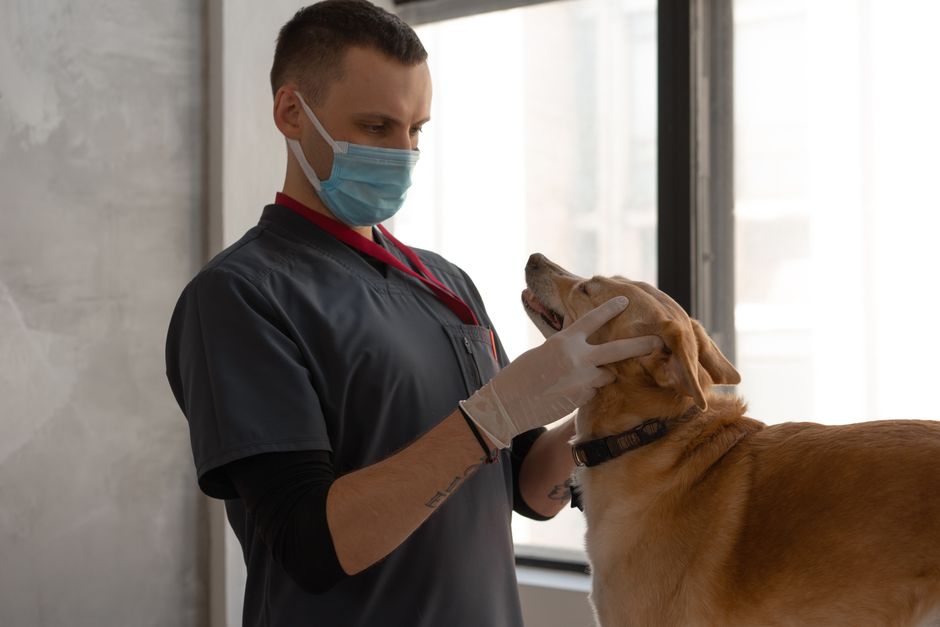
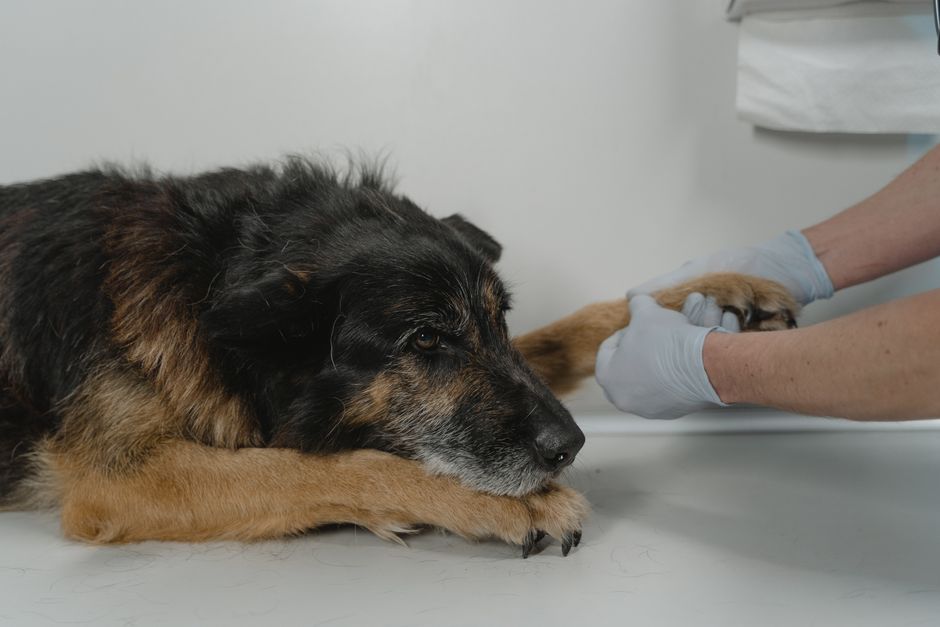
When you bring your older dog to Pets R Us Commerce City for reduced appetite, our veterinary team will begin with a thorough history and physical examination. We’ll ask about any recent changes, additional symptoms, and medications your dog is taking. This information helps us tailor diagnostic tests and treatment to your dog’s unique situation.
Diagnostics may include bloodwork, urine tests, and sometimes imaging such as X-rays or ultrasound to check for organ issues, masses, or dental disease. When dental disease is suspected, we may recommend a professional dental cleaning under anesthesia to fully assess and address any oral pain. In more complex cases, we might utilize advanced diagnostics to investigate underlying illnesses such as cancer, kidney disease, or gastrointestinal disorders.
Treatment approaches depend on the underlying cause. For dental pain, procedures like extractions or dental repairs can significantly improve appetite. Chronic conditions such as kidney disease or arthritis are managed with medication, dietary changes, and ongoing monitoring. In some cases, appetite stimulants or special prescription diets may be recommended to encourage eating.
Our veterinarians will work closely with you to develop a management plan that balances your dog’s health needs, comfort, and quality of life. We believe in transparent communication and will always explain your options so you can make the best decisions for your senior dog.
Home Care and Prevention: Supporting Your Senior Dog’s Appetite
While veterinary care is essential for diagnosing and treating medical issues, there are several ways you can support your senior dog’s appetite and wellbeing at home. Start by feeding a high-quality, age-appropriate diet, and consider offering smaller, more frequent meals if your dog seems to tire quickly when eating. Warming up food can enhance aroma and palatability, making meals more enticing.
Maintain a consistent feeding routine and minimize household stressors when possible. Make sure your dog’s food and water are easily accessible, especially if mobility is a concern. If your pet has dental problems, softer foods may be easier to eat.
Regular wellness examinations are vital for catching subtle changes in health before they become serious. Our team at Pets R Us Commerce City recommends semi-annual checkups for senior dogs, as early detection allows for prompt intervention and better outcomes.
Monitoring your dog’s weight, appetite, and behavior at home is a powerful tool for prevention. Keeping a journal can help you and your veterinarian notice trends or changes that might otherwise go unnoticed. If you notice anything unusual, don’t hesitate to reach out for guidance.
When Should You Contact Your Veterinarian?
Knowing when to seek professional help is a key part of making informed decisions about your senior dog’s appetite. You should schedule an appointment with our veterinary team if your dog hasn’t eaten for more than 24-48 hours, seems to be losing weight, has additional symptoms like vomiting or diarrhea, or is showing signs of discomfort.
If you notice your dog is struggling to chew, drooling excessively, or has foul-smelling breath, dental disease could be the problem. For sudden or severe appetite loss, especially if your dog appears weak, disoriented, or in pain, prompt evaluation is essential.
Our veterinarians at Pets R Us Commerce City are committed to helping you answer the question, “how can I make an informed decision about reduced appetite in an older dog?” We use a combination of thorough examination, advanced diagnostics, and clear communication to guide your decisions every step of the way.
If you are ever unsure whether to wait or bring your dog in, it is always safer to consult with a veterinary professional. Your vigilance could make all the difference in your dog’s health and happiness.
Compassionate Support for Senior Dogs in Commerce City
Caring for an older dog comes with new challenges, but you never have to navigate them alone. At Pets R Us Commerce City, our veterinary team is here to provide the guidance, expertise, and compassionate care your dog deserves. If you are searching for a “vet near me” who understands the unique needs of senior dogs, look no further than our dedicated animal hospital at 10290 Idalia St, Suite 1, Commerce City, CO 80022.
If you’re still wondering how can I make an informed decision about reduced appetite in an older dog, the best next step is to schedule a comprehensive exam with our team. Early intervention can help maintain your dog’s health, comfort, and joy in their golden years. We invite you to call us at (970) 406-4580 or visit our website to request an appointment. For more information about routine checkups or to explore our wellness examination services for seniors, our team is always here to help.
Your dog’s wellbeing is our top priority. Together, we can help your senior companion thrive with the personalized care and support they deserve.