Dog Not Eating? Common Causes and What to Do
It’s always worrying when your dog suddenly refuses food—especially if your once-eager eater turns away from meals without warning. At Pets R Us Commerce City, we understand how distressing it can be to see your dog not eating and feeling unsure about what to do next. Whether you live right here in Commerce City or in a nearby community, our veterinary team is here to support you with answers, reassurance, and expert care.
In this guide, you’ll discover the most common reasons for a dog not eating, how to recognize if your dog’s appetite loss is a serious concern, and practical steps to take at home. You’ll also learn when it’s time to schedule an appointment with our veterinarians for a thorough evaluation. Throughout, we’ll highlight local considerations and ways we can help at Pets R Us Commerce City. If you’re looking for trusted advice about sudden appetite changes in your dog, you’re in the right place.
Recognizing When Your Dog Not Eating Is a Problem
All dogs skip a meal now and then, but when should you worry? It’s important to pay close attention to changes in your dog’s eating habits, as appetite loss can be an early sign of illness or discomfort. Key symptoms to watch for include refusing food for more than 24 hours, sudden loss of interest in treats or favorite snacks, or turning away from both dry and wet food.
Other warning signs are lethargy, noticeable weight loss, vomiting, diarrhea, drooling, or changes in drinking habits. If your dog appears listless, is hiding, or seems unusually anxious, these behaviors may also signal that something more serious is going on. For puppies and senior dogs, even a single skipped meal can be cause for concern due to their sensitive nutritional needs.
If you notice your dog not eating alongside additional symptoms such as persistent vomiting, weakness, or difficulty breathing, prompt veterinary attention is essential. Trust your instincts—if your canine companion seems “off” in any way, it’s always better to err on the side of caution and reach out to our team.
Why Is My Dog Not Eating? Common Causes of Appetite Loss
There are many reasons why a dog might stop eating, ranging from minor temporary upsets to serious health issues. Understanding the potential causes can help you determine your next steps and communicate effectively with your veterinarian.
Minor Causes and Temporary Upsets
Sometimes, a dog not eating is related to short-term factors. Stress from a recent move, changes in routine, or the presence of unfamiliar guests can lead to decreased appetite. Dogs may also refuse food after receiving vaccinations or during particularly hot weather, as appetite can dip when temperatures rise.
A simple stomach upset from eating something unusual—like table scraps or a new treat—may also be to blame. In these instances, appetite usually returns within a day or two, especially if your dog is otherwise acting normal.
Medical Reasons for Appetite Loss
However, persistent refusal to eat often indicates an underlying medical problem. Dental pain from fractured teeth, sore gums, or oral infections can make chewing too uncomfortable. Chronic conditions such as kidney disease, liver problems, or diabetes are also known to cause appetite changes. Gastrointestinal issues including pancreatitis, intestinal blockages, or food allergies may result in a dog not eating, sometimes accompanied by vomiting or diarrhea.
Infectious diseases, parasites, or even certain medications can suppress appetite as well. In older dogs, cancer, arthritis pain, or cognitive changes may cause a gradual decrease in food interest. If your dog’s appetite drops suddenly and doesn’t bounce back, it’s important to consider these possibilities and involve your veterinarian for an accurate diagnosis.
Behavioral and Environmental Factors
Occasionally, the issue isn’t medical at all. Dogs can become picky if their food is stale, has changed brands, or they’re bored with their usual diet. Anxiety caused by loud noises, travel, or separation can also suppress appetite. Sometimes, dogs will refuse food in protest of environmental changes, such as a new pet in the home or a recent boarding stay.
No matter the cause, ongoing refusal to eat should never be ignored. Chronic under-eating can quickly lead to nutritional deficiencies and more severe health concerns.
What to Do When Your Dog Not Eating Becomes a Concern
If you notice your dog not eating for more than a day, or if appetite loss is accompanied by other symptoms, it’s time to take action. Start by evaluating for obvious causes—check for dental issues, ensure food is fresh, and observe for vomiting, diarrhea, or behavioral changes.
Home Care Steps
Begin by offering a bland, easily digestible diet such as boiled chicken and rice for a short period, but only if your dog is otherwise healthy and not vomiting. Make sure your dog always has access to clean, fresh water, as dehydration can develop quickly if your dog is not eating. Remove uneaten food after 20-30 minutes to encourage regular mealtimes, and avoid offering excessive treats or table scraps.
Monitor your dog’s overall energy level and watch for changes in stool or urination. If your dog perks up when offered a favorite treat but ignores regular meals, this may point to behavioral pickiness rather than illness. However, if your dog refuses all food or seems unwell, professional evaluation is warranted.
When to Contact Your Veterinarian
It’s always safest to consult with your veterinarian if your dog not eating lasts longer than 24 hours, especially if your dog is a puppy, senior, or has underlying health issues. Immediate veterinary attention is necessary if you notice additional symptoms such as vomiting, diarrhea, abdominal bloating, collapse, or signs of pain.
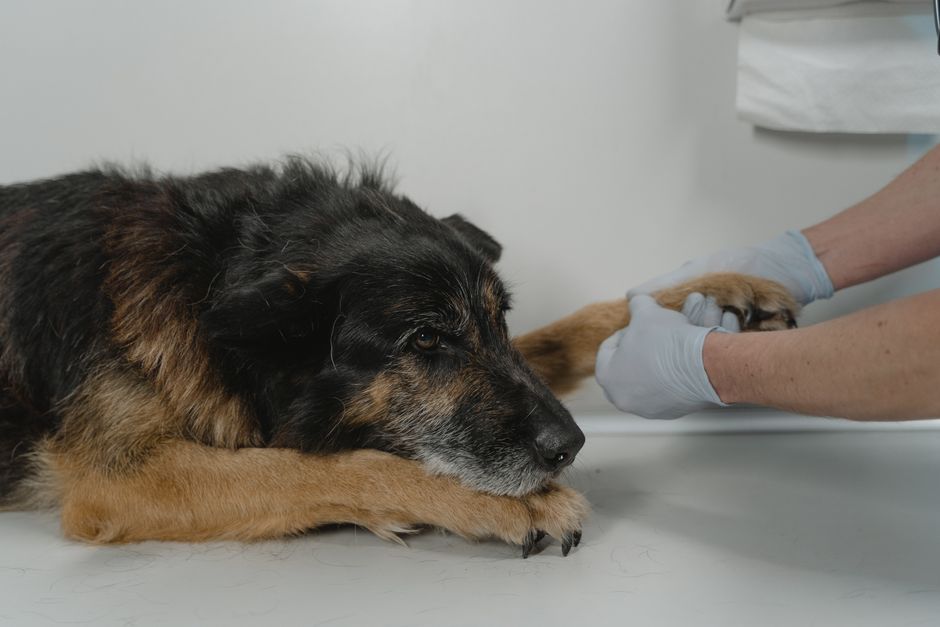
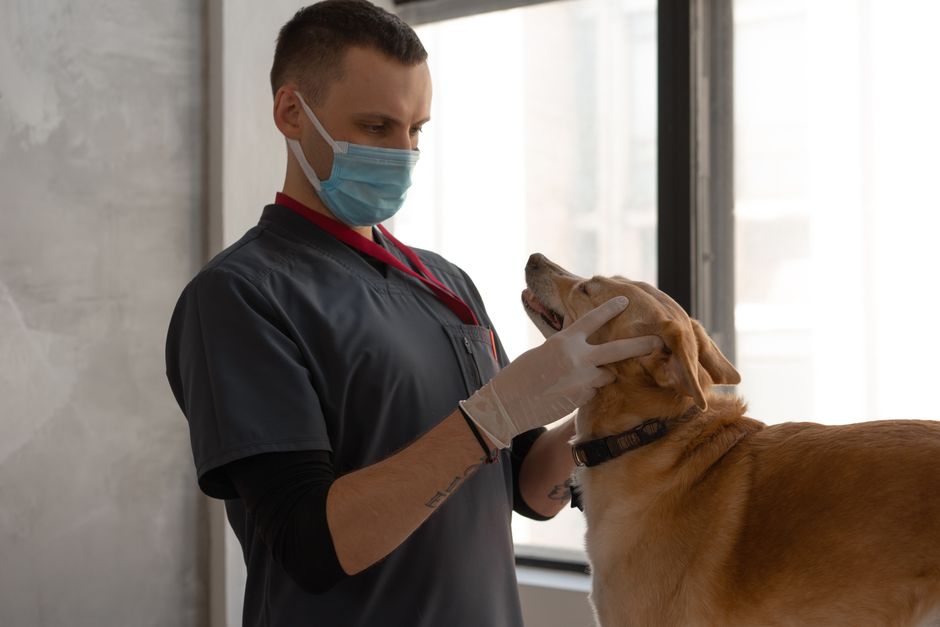
At Pets R Us Commerce City, our veterinary team can perform a comprehensive evaluation to determine the cause of your dog’s appetite loss. This may include a physical examination, bloodwork, diagnostic imaging, or dental assessment. You can schedule a wellness examination to address ongoing appetite issues or request urgent care if your dog is showing severe symptoms.
Professional Treatment Options for a Dog Not Eating
The treatment for a dog not eating depends on the underlying cause identified during the examination. For dental problems, procedures such as a professional dental cleaning, tooth extraction, or oral surgery may be recommended to restore comfort and health. If digestive upset is found, supportive care with fluids, anti-nausea medication, or dietary adjustments can often get things back on track.
Chronic illnesses like kidney disease or diabetes may require long-term management, medication, or prescription diets. If your dog has a food allergy or intolerance, our veterinarians can guide you through an elimination diet or recommend nutrition counseling services.
Behavioral or environmental causes of appetite loss may be addressed through changes in feeding routine, environmental enrichment, or anxiety management strategies. In some cases, our team may suggest weight management support if excess weight contributes to appetite and mobility challenges.
No matter the diagnosis, our goal is to restore your dog’s appetite and overall health through compassionate, evidence-based care. We will partner with you to create a treatment plan tailored to your dog’s specific needs and your family’s concerns.
Preventing Appetite Loss: Keeping Your Dog Eating Well
While not every case of a dog not eating can be prevented, there are several steps you can take to encourage a healthy appetite and minimize future issues. Provide a consistent daily routine with regular feeding times, and choose a high-quality diet appropriate for your dog’s age, breed, and health status. Store food in an airtight container to maintain freshness and avoid sudden changes in diet unless advised by your veterinarian.
Regular dental care, including at-home tooth brushing and professional cleanings, can prevent oral discomfort that impacts eating. Schedule annual or semi-annual wellness exams to catch emerging health problems before they affect your dog’s appetite. Address sources of home stress, such as loud noises or major environmental changes, and offer plenty of positive reinforcement and exercise.
Always monitor your dog’s weight and body condition, and keep an eye out for gradual changes in eating habits. Early detection and proactive care are key to keeping your dog healthy and happy.
When Is Appetite Loss an Emergency?
Certain symptoms alongside refusal to eat require immediate veterinary attention. These include persistent vomiting, diarrhea, severe lethargy, collapse, pale gums, signs of abdominal pain, or difficulty breathing. Puppies and small breeds are especially vulnerable to low blood sugar if they go too long without eating.
If you’re ever unsure about the seriousness of your dog not eating, call our veterinary team to discuss your concerns. We can help you decide whether to monitor at home or bring your dog in for an urgent evaluation. Your peace of mind and your dog’s wellbeing are always our top priorities.
Supporting Your Dog’s Health in Commerce City and Beyond
At Pets R Us Commerce City, we know how important it is to have a trusted partner when your dog not eating leaves you feeling anxious or uncertain. Our team of veterinarians is committed to delivering compassionate, transparent care for dogs and their families across Commerce City and surrounding communities. Whether your dog’s appetite loss is a minor blip or a sign of something more serious, we’re here to guide you every step of the way.
If you’re searching for a “vet near me” who can help with a dog not eating or any other health concern, look no further than Pets R Us Commerce City. Schedule an appointment for a wellness examination, nutrition counseling, or a thorough checkup by calling (970) 406-4580 or visiting our convenient location at 10290 Idalia St, Suite 1, Commerce City, CO 80022. Our veterinary professionals are ready to help your canine companion regain their appetite and get back to their happy, healthy self.
If your dog has stopped eating and you are concerned about their health, please contact us for expert guidance. All medical information provided here is for educational purposes and does not replace the advice of a licensed veterinarian. If you have questions or worries about your dog’s appetite, our veterinary team is just a phone call away.